
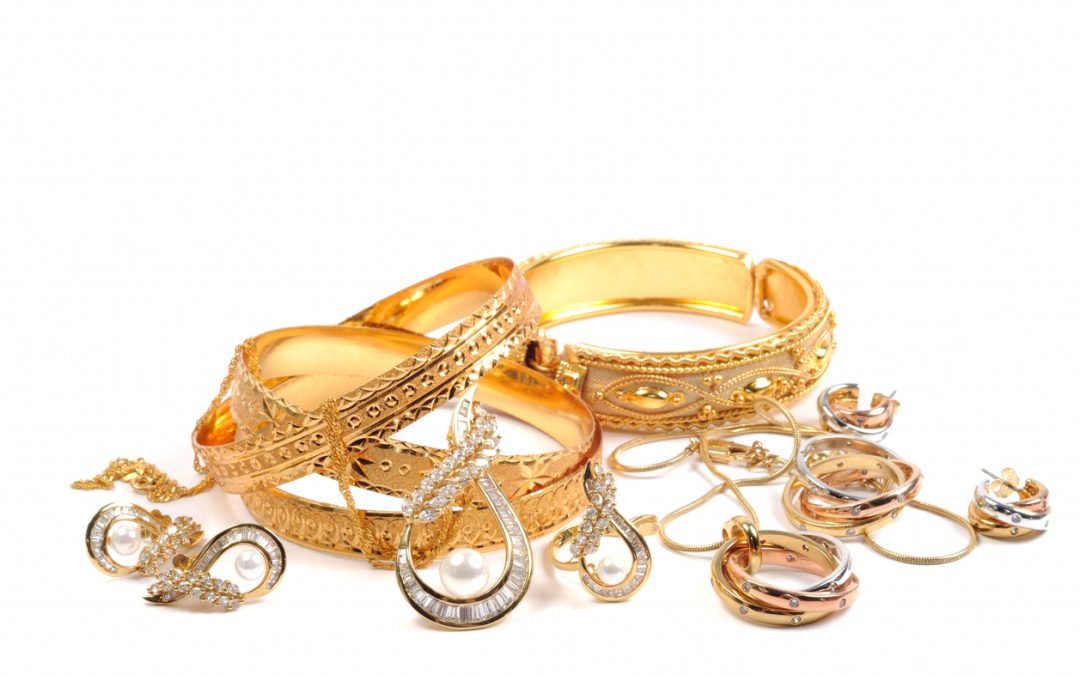
If you have designer jewelry, you probably feel the difference right away when you hold it. The piece feels heavier, cleaner, and more intentional. Yet many sellers trying to sell designer jewelry walk into the process and get a number that sounds like scrap pricing. That mismatch is frustrating, and it is also avoidable.
Designer jewelry sits in two categories at once. It is metal and stones, and it is also a branded product with market demand. When the buyer can resell the piece as a designer item, the offer can rise above melt value. When the piece is damaged or hard to verify, the offer often falls back to metal math.
If you are selling jewelry in Staten Island, your goal is to make it easy for a buyer to treat your piece like a designer item, not just a pile of gold.
Identify the Brand and Materials Before You Start Selling Jewelry
Start by identifying what you actually have. Look for a designer hallmark or brand stamp. Check clasps, inner bands, the back of pendants, and the side of bangles. These marks are often small and easy to miss.
Then identify materials. Note gold purity marks like 14K or 18K. If the piece has diamonds or diamond accents, note whether they are a center stone or smaller stones. You do not need to describe every stone perfectly. You just want the buyer to recognize that this is not a generic piece.
If you still have the original name of the collection, even better. Some designs have a stronger resale value because people search for them specifically.
Condition Details That Make the Offer Move Up or Down
Condition is not about perfection. It is about resale readiness.
Buyers notice scratches on high-polish surfaces, loose clasps, bent prongs, missing accent stones, and worn engraving. They also notice whether repairs look clean or sloppy. If a clasp feels weak, a buyer expects a repair cost. Repair cost lowers the offer.
Before you come in, wipe the piece with a clean cloth. If it is safe for the piece, a mild soap and warm water rinse can remove lotion and residue. Dry it fully. Skip harsh cleaners, and skip aggressive polishing. A quick shine is not worth the risk of changing the finish or loosening stones.
If something is broken, do not try a home repair. Glue and quick fixes often create more problems than they solve.
When Designer Pieces Earn More Than Melt Value
The simplest way to think about pricing is this. Melt value is metal content. Resale value is metal content plus demand.
A designer hallmark can change the equation because the buyer may be able to resell the piece as a branded item. That can justify paying more than melt value, especially when the piece is in good condition and in a popular style.
Some pieces also perform better because they are easy to wear and easy to size. A clean bracelet, a classic chain, and a recognizable pendant can move quickly. Buyers pay up when they can place the item without a long wait.
Stones can increase value too, but only in the right situations. A meaningful center stone, clean diamond accents, and secure settings can lift the offer. Missing stones or loose settings usually push the price back toward melt because the next buyer will hesitate.
A good evaluation should include a plain statement: is this being priced as scrap metal, or as a wearable designer piece. That one line tells you whether the buyer is seeing the designer value.
What to Bring to Support Authenticity and Resale Value
Proof does not force a high offer, but it removes doubt, and doubt is expensive.
Bring original packaging if you have it. Boxes, pouches, and booklets help. Bring proof of purchase if it exists. Bring an old appraisal if you have one, even if it is not current. These items support authenticity and resale value.
If you have a matching set, bring it together. Sets can be easier to resell, and buyers may price them more favorably when they present as a complete look.
If you have a diamond report for a center stone, bring it. That paperwork helps the buyer speak in real specs instead of assumptions, and it can support a cleaner offer.
If you have nothing, do not worry. A good buyer can still evaluate the piece. Proof just makes the conversation faster and reduces discounting.
Get a Same-Day Offer in Staten Island Without Online Drama
Online selling can get messy, especially with designer items. Photos get questioned, authenticity debates start, and returns become a risk. In-person selling keeps the process grounded.
In Staten Island, a same-day evaluation lets you show hallmarks in real time and discuss condition without email chains. You can ask direct questions, hear direct answers, and decide without pressure.
If you accept the offer, confirm how payment works and what receipt you will receive. You want clean documentation for your records. If you decline, you should still leave with clarity about what moved the number.
Designer jewelry can earn more than melt value when it is presented as what it truly is: a branded item with market demand. When you identify the brand, keep condition honest, bring any supporting materials, and choose an in-person evaluation, you give yourself the best chance at a strong offer.
If you are ready to start selling jewelry in Staten Island, bring your designer pieces and any packaging or paperwork to Collectors Coin & Jewelry. You will get a same-day offer, a clear explanation, and a straightforward path to payment if you choose to sell.