
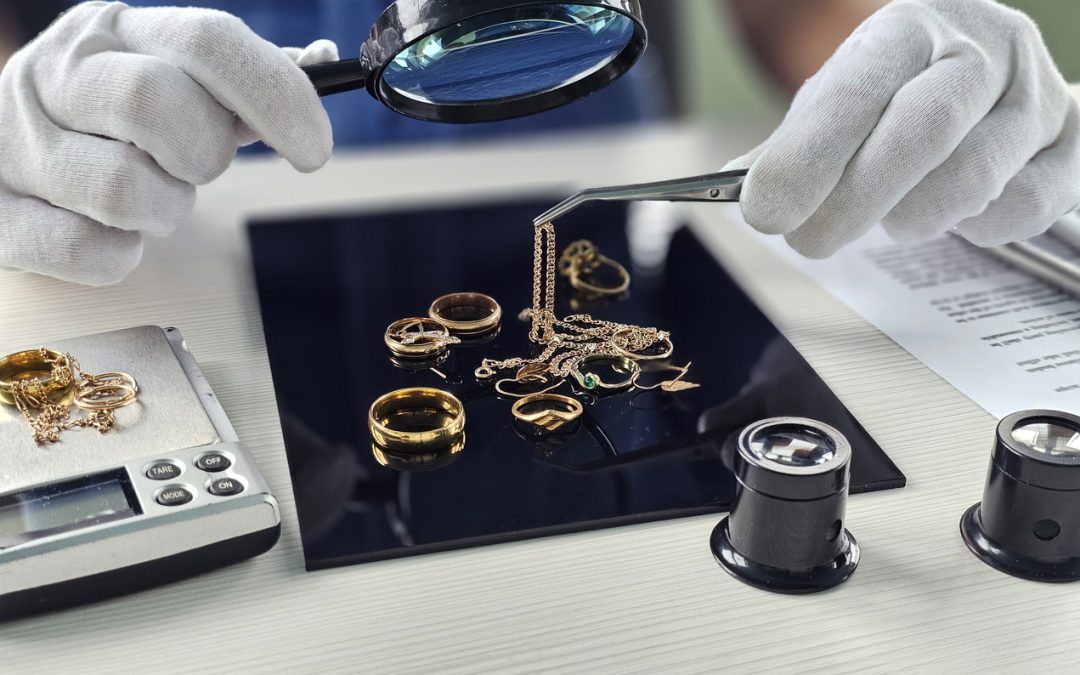
Selling gold from an estate can feel like a simple task until the first disagreement shows up. Someone remembers a ring differently. Someone thinks a chain is “definitely solid gold.” Someone else wants to move fast and stop thinking about it. If you have ever been in that situation, you know the real challenge is not just selling gold. It is keeping the process calm, fair, and clear.
In Staten Island, many families handle estate cleanouts in stages. A few boxes go to one person, a few items go to another, and suddenly no one is sure what went where. That is exactly how disputes start. It is also how people end up taking low offers just to finish.
You can avoid most of that with a simple plan. The plan is not complicated. It is just structured enough that everyone feels respected, and the numbers make sense.
Start With Authority and Agreement Before You Sell Anything
Before you walk into a shop, make sure you know who has the legal authority to sell. In many estates, that is the executor. If you are not the executor, do not treat this like a casual handoff. It does not mean you cannot help. It means you want a clear family agreement about who decides and who receives proceeds.
A quick family message helps more than people expect. You can say, “I am going to get an in-person evaluation and a written quote, then we can decide together.” That line lowers tension because it signals transparency.
If the estate is already tense, set one ground rule: nothing gets sold without a written quote and a shared summary of what was evaluated. That simple approach prevents “you sold it too cheap” accusations later.
Inventory and Sort Gold the Way Buyers Actually Price It
This is the step that saves you money and saves you arguments. Do a basic inventory before you sell. You do not need a spreadsheet worthy of an accountant. You need a clear list and a simple sort.
Create three groups.
First, wearable jewelry that looks intact, like chains with working clasps and rings with secure stones.
Second, scrap gold, like broken chains, single earrings, and anything damaged.
Third, “maybe” items, like pieces with a brand stamp, a designer hallmark, or stones that might matter.
If you can, sort by karat purity as well. Look for stamps like 10K, 14K, and 18K. Put each karat group in its own bag. Labeling bags feels tedious for five minutes, then it feels like relief for the next two hours.
This sorting does something important. It prevents the best pieces from being priced as if they are all scrap. It also gives family members a clean way to discuss what stays and what goes.
Use Spot Price, Karat Purity, and Melt Value to Set a Real Baseline
Families often argue because no one shares the same baseline. One person thinks the ring should sell for what it cost at a jewelry store. Another thinks it is “just gold.” Neither is totally wrong, but they are not using the same language.
Spot price gives you context. It is the market price for pure gold at that moment. It changes, which is why people talk about it so often. Check it the day you plan to go in, and keep a screenshot.
Karat purity tells you how much of your item is actually gold. A 14K piece is not pure gold, which is why the offer is not “weight times spot price.”
Melt value is the baseline math for metal content. It is not always the final number, especially for wearable pieces, but it is a useful anchor. When family members hear, “This piece is being priced at melt,” they understand the logic, even if they do not love it.
If a piece is clearly designer, or clearly resellable as jewelry, the offer may go above melt value. The important part is hearing that distinction out loud so the family understands why two pieces with similar weight can price differently.
Protect the Process With Documentation and Written Quotes
Estate sales become stressful when people cannot verify what happened. Documentation fixes that.
Take photos before you go. Quick phone photos are fine. Photograph stamps when you can. Photograph any designer hallmark or brand stamp. Photograph the groupings you created.
When you get an offer, ask for a written quote. It does not have to be fancy. It just has to reflect the items evaluated and the number offered. Written quotes calm families down because they feel like proof, not a rumor.
Also ask to see the certified scale and watch the weigh-in. You do not need to challenge the buyer. You just want to understand the process. A reputable shop will not flinch at that.
When you bring the result back to the family, keep it simple. “We evaluated these items, here is the written quote, and here is how they priced the groups.” Clarity prevents a lot of second-guessing.
Sell Safely in Staten Island and Avoid the Estate Sale Discount
A common mistake is treating gold like a tag-sale item. In a typical estate sale, people show up hunting bargains. That is not the environment where you want to price gold.
In-person evaluation in Staten Island gives you control. Your items stay with you until you decide. You see the testing. You hear the reasoning. If you accept, you can receive same-day payment and leave with documentation that supports the estate file.
This matters because estate timelines can pressure people into rushed decisions. A controlled sale keeps you from making a deal just to check a box.
If you want the process to feel smooth, set a short appointment window, bring the items sorted, and bring your photo ID. Then ask the buyer to explain what is being priced at melt value and what is being priced as jewelry. That one question often makes the entire conversation clearer.
Selling gold from an estate does not have to damage relationships. When you start with authority, sort and inventory, set a real baseline, and use written quotes, you lower stress and protect value.
If you are ready to sell gold from an estate in Staten Island, bring your sorted items to Collectors Coin & Jewelry. You will get an in-person evaluation, a written quote, and a same-day payment option you can present to the family with confidence.